Siridia’s 2026 Harvest: A Vintage Shaped by Heat and Early Ripening
21 Oct 2026 - Harvest
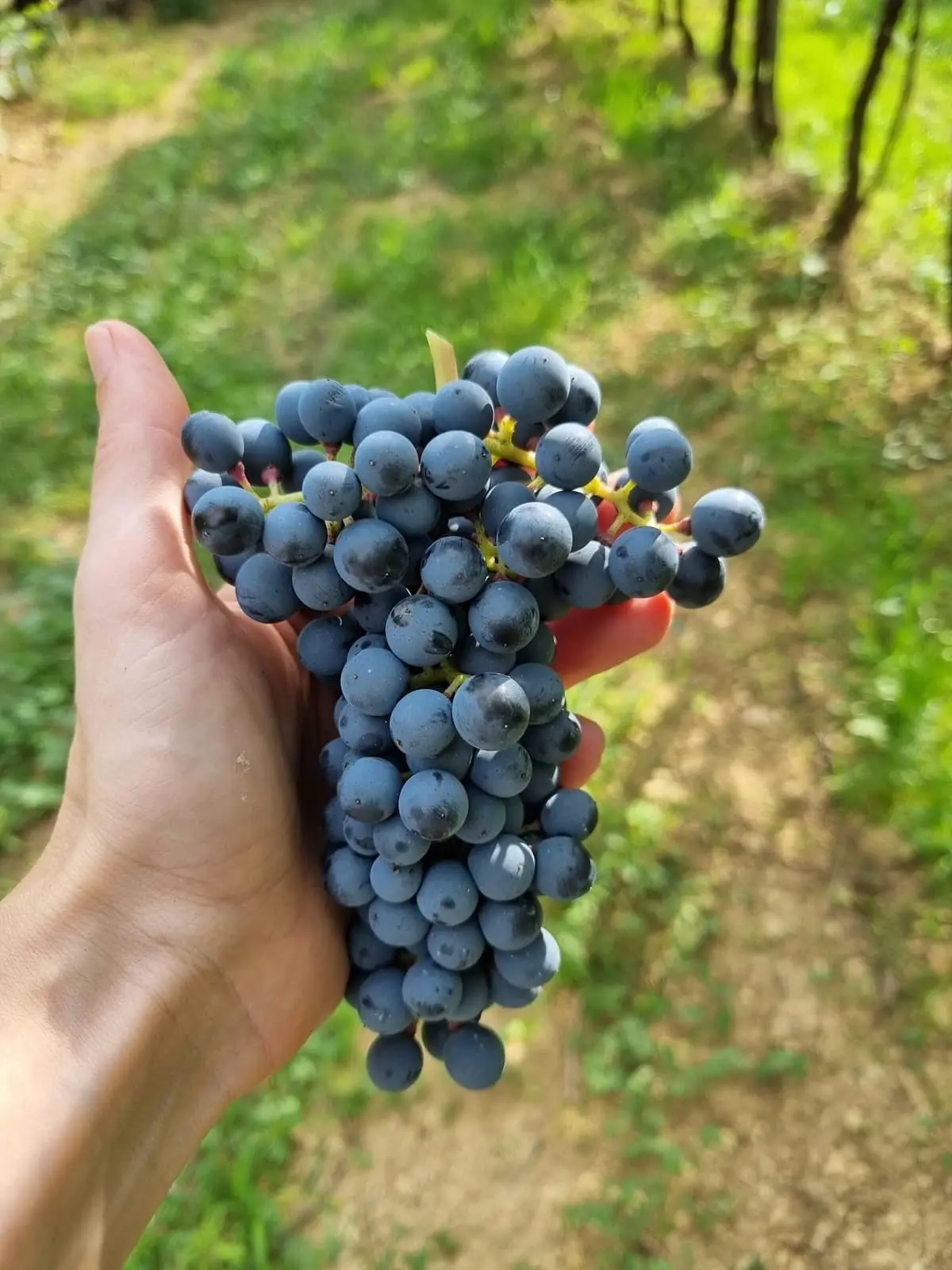
Harvest is one of the most significant moments of the year at a winery. It is when months of work in the vineyard come together with the decisions that will guide the grapes through their transformation into wine.
For Siridia, the 2026 harvest stood out from the very beginning for one defining factor: the heat. High temperatures and limited rainfall accelerated grape ripening, leading to an earlier harvest than usual.
A harvest that Edoardo describes as “extraordinary in every respect”, one that he expects will produce wines with character and a distinctive personality.
When did the 2026 harvest begin at Siridia?
The 2026 harvest at Siridia began towards the end of August, starting with the earliest-ripening grape varieties. Following a break during the first week of September, harvesting resumed and continued until the end of the month. Compared to an average year, the harvest started approximately 10–15 days earlier, mainly due to the high temperatures that accelerated the ripening process.
What weather conditions characterised the 2026 harvest?
Weather was one of the most influential factors of the vintage. The year 2026 was marked by high temperatures and limited rainfall, two conditions that contributed to particularly rapid grape ripening. The most critical period was between June and July. At this stage, the vines needed water and milder temperatures, ideally below 30°C, to support berry development and the transition towards véraison, the beginning of grape ripening. However, these conditions did not materialise.
Did the 2026 harvest produce high-quality grapes?
In terms of quantity, the vintage was generally balanced, although some grape varieties recorded lower yields. The quality of the harvested grapes, however, is considered high, thanks to their complete ripening. This level of ripeness is one of the defining characteristics of Siridia’s 2026 harvest.
Which grape variety was the biggest surprise of the 2026 harvest?
It is still too early to determine which grape varieties will deliver the best results, but one variety particularly impressed Edoardo: Molinara. In 2026, this grape reached an exceptionally advanced level of ripeness, much earlier than anticipated.
What is the difference between pergola and Guyot vine training in such a hot vintage?
One of the most interesting observations during the harvest concerned the different responses of vine training systems to the weather conditions. When comparing pergola and Guyot training systems, the pergola demonstrated a greater ability to protect grape clusters from sunburn caused by high temperatures. This highlights how, in viticulture, the vine’s response to climate conditions also depends on vineyard management decisions and the structure of the vineyard itself.
How do you decide when it is the right time to begin harvesting?
The decision to begin harvesting is never based on a single parameter. At Siridia, the ideal moment is determined by the balance between analytical ripeness and sensory ripeness. Only when these two aspects reach the right balance can the optimal harvesting time be identified.
Which parameters are monitored before harvesting?
Among the most important parameters are sugar levels and acidity. These two values evolve in opposite directions as grapes ripen: while sugar concentration increases, acidity decreases. For this reason, it is essential to identify the moment when their balance best meets the objectives of the harvest.
Why is tasting grapes just as important as laboratory analysis?
Laboratory analyses provide essential data, but they cannot reveal everything needed to fully understand grape ripeness. This is why tasting remains a fundamental part of the process. Observing and tasting the berries allows us to assess their ripeness, skin texture, seed tannins and colour. It is the combination of experience and analytical data that makes it possible to truly understand the vineyard and decide when to harvest.
What are the main challenges in the winery following such a hot harvest?
One of the stages that will require particular attention is grape drying, known as appassimento. The early harvest and unusually high temperatures for the season may accelerate the drying process, potentially leading to greater weight loss in the grapes. Carefully managing this phase will therefore be essential to guide the grapes towards winemaking while maintaining full control over the process.
How does winemaking change following a harvest characterised by high temperatures?
For the 2026 vintage, Siridia will pay particular attention to temperature management during winemaking. The aim will be to preserve as much aromatic freshness as possible in a vintage characterised by rapid ripening and high sugar concentrations.
What kind of wines can we expect from the 2026 vintage?
It is still too early to fully understand the final results, but expectations already point in a clear direction. From the 2026 harvest, Edoardo expects wines with character, warm aromatic notes and a rich, generous palate, expressing a distinctive and recognisable personality. Their ageing potential, however, remains to be assessed and can only be properly evaluated as the wines evolve over time.
What is the difference between the 2025 and 2026 harvests?
According to Siridia’s assessment, the 2025 vintage began with excellent prospects, but rainfall during the harvest period affected its final stages. The 2026 vintage followed a different pattern: high temperatures remained consistent until the very end of the harvest. For this reason, Edoardo expects the 2025 wines to display a more typical aromatic profile, while the 2026 wines are likely to express a more distinctive and individual character.
What is the single most defining feature of the 2026 harvest?
If the vintage had to be summarised through one key factor, the answer would be clear: the high sugar concentration in the grapes. This is one of the elements that best captures the nature of a harvest shaped by heat, early ripening and consistently high temperatures throughout the season.
A Harvest That Already Looks Towards the Wine
The 2026 harvest reminds us once again that wine begins its journey long before it reaches the bottle. It begins in the vineyard, with the weather conditions of each vintage, the choices made in vine training and vineyard management, the daily observation of the grapes and the ability to recognise the right moment to harvest. For Siridia, 2026 was a year of rapid ripening, high temperatures and an early harvest. Now a new phase begins: the grapes leave the vineyard, and the work moves into the winery. Only time will fully reveal what this harvest will bring to the wines. But one thing is already clear: the 2026 vintage has begun to develop a character entirely of its own.